
Benefits of Social Media for Small Businesses
Are you ready to take your brand to the next level? Social media is your secret weapon. Ready to see how social media opens up new doors for small outfits? Let’s take a look at the benefits of social media marketing for small businesses. Imagine taking your business from zero to hero. It starts with empowering your brand today like never before!
Benefits of Social Media Marketing for Small Businesses
As a small business owner, you’re always looking for ways to get your brand in front of more people, right? You want to connect with your target audience, build relationships, an, ultimately, grow your business. Well, social media marketing is one of the most powerful tools in your arsenal.
But it’s not just about posting pretty pictures or clever captions. It’s a strategic way to increase brand visibility, engage with customers, and drive real results. And the best part? It’s incredibly cost-effective compared to traditional marketing methods.
Here are some of the benefits you can expect from social media marketing.
Increased Brand Visibility
One of the biggest benefits of social media marketing for small businesses is increasing brand visibility. You can create a strong online presence and reach a wider audience by consistently posting engaging content and interacting with your followers. And when you use relevant hashtags and participate in industry conversations, you can attract new potential customers who may have never heard of your business before.
In fact, 83% of Instagram users say they discover new products and services on the platform. This presents a huge opportunity for small businesses to get their brand in front of new eyes and grow their customer base.
Cost-Effective Marketing
Another major advantage of social media marketing is that it’s incredibly cost-effective. Unlike traditional advertising methods like print or television ads, social media allows you to reach a targeted audience at a fraction of the cost. You can create organic content that resonates with your followers and supplement it with paid advertising to reach even more potential customers.
Plus, you have complete control over your budget and can adjust your spending based on what’s working and what’s not. This flexibility is especially important for small businesses that may not have a huge marketing budget to work with.
Targeted Advertising
Speaking of advertising, social media platforms offer incredibly powerful targeting options that allow you to reach the right people with the right messages. You can target based on demographics, interests, behaviors, and more, ensuring that your ads are seen by those most likely to be interested in your products or services.
For example, if you own a local bakery, you could target people in your area who have expressed an interest in baking or have recently visited other local bakeries. This level of targeting helps you get the most bang for your buck and drive real results for your business.
Improved Customer Engagement
Social media is also an incredible tool for improving customer engagement. You can build strong relationships and create a loyal customer base by actively listening to and communicating with your followers. Respond promptly to comments and messages, ask for feedback and opinions, and show appreciation for your customers.
This level of engagement helps you build trust and credibility with your audience and gives you valuable insights into what your customers want and need. You can use this information to improve your products, services, and overall customer experience.
Valuable Insights and Analytics
Finally, social media provides a wealth of valuable insights and analytics that can help you refine your marketing strategy and make data-driven decisions. Most social media platforms offer built-in analytics tools that allow you to track your performance, see which posts resonate with your audience, and identify areas for improvement.
You can also use social listening tools to monitor mentions of your brand, track competitor activity, and stay on top of industry trends. By leveraging these insights, you can continuously optimize your social media efforts and drive better results for your business.
The bottom line? Social media marketing is an incredibly powerful tool for small businesses. By increasing brand visibility, providing cost-effective marketing opportunities, enabling targeted advertising, improving customer engagement, and offering valuable insights, social media can help you grow your business and achieve your goals. If you’re not already using social media to market your small business, now is the time to start.
Top Social Media Platforms for Small Business Owners
Now that we’ve covered the benefits of social media marketing for small businesses, you might wonder which platforms you should use. With so many options out there, it can be overwhelming to know where to start. Here are the top social media platforms for small business owners and how to use them to achieve your marketing goals.
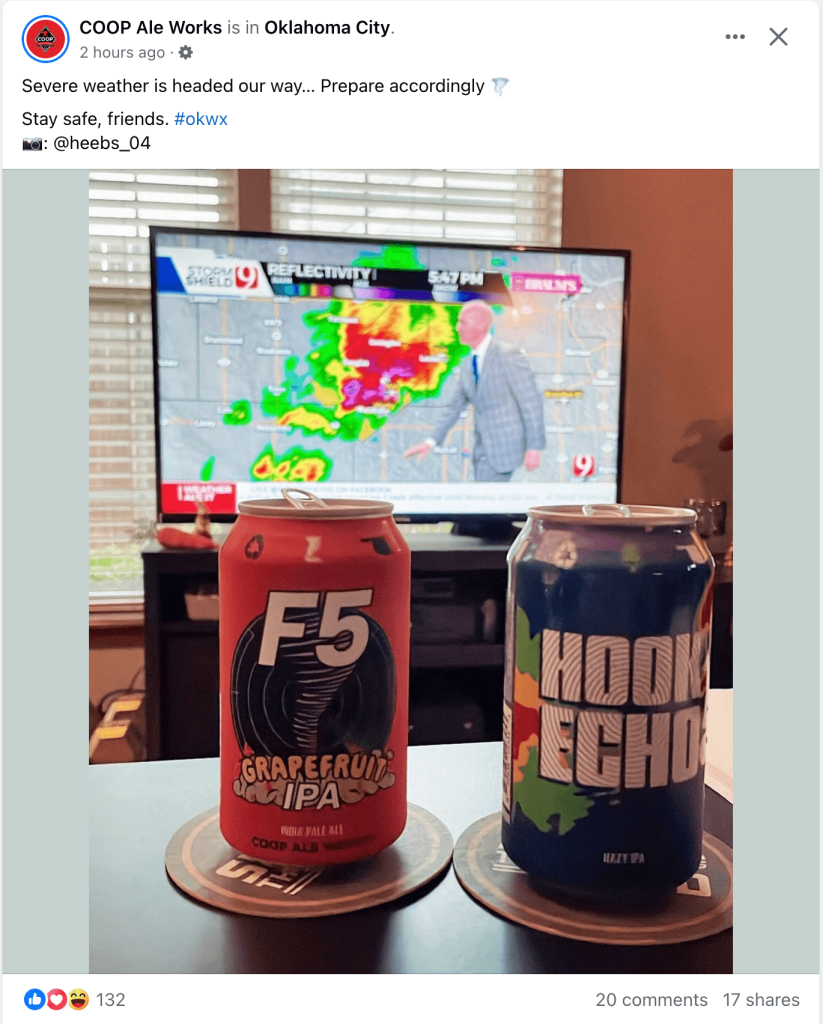
Facebook for Local Businesses
If you’re a local business looking to connect with your community, Facebook is a must-have. With more than 2.7 billion monthly active users, Facebook is the largest social media platform in the world and offers a variety of features that are perfect for local businesses.
One of the most powerful tools on Facebook is the ability to create a business page. This lets you showcase your products or services, share updates and promotions, and interact with your customers. You can also use Facebook ads to target people in your local area and drive traffic to your website or storefront.
Instagram for Visual Brands
If your business is highly visual, then Instagram is the platform for you. With more than one billion monthly active users, Instagram is all about stunning visuals and engaging content.
To make the most of Instagram, focus on creating high-quality images and videos that showcase your products or services in action. Use relevant hashtags to increase your reach, and don’t be afraid to get creative with your captions and stories. You can also use Instagram Shopping to tag products in your posts and make it easy for customers to purchase directly from the app.

LinkedIn for B2B Networking
LinkedIn is the platform for you if you’re a B2B business looking to connect with other professionals and generate leads. With more than 700 million members, LinkedIn is the world’s largest professional network and offers a variety of features designed specifically for businesses.
To make the most of LinkedIn, create a strong company page that showcases your products or services, shares industry insights and thought leadership, and engages with your followers. You can also use LinkedIn ads to target specific job titles, industries, or company sizes and drive qualified leads to your website.
But here’s a little secret. While brand pages are necessary on LinkedIn, you’ll probably get the most mileage sharing from personal accounts and sending people back to your brand page. After all, people do business with other people.

Pinterest for Creative Industries
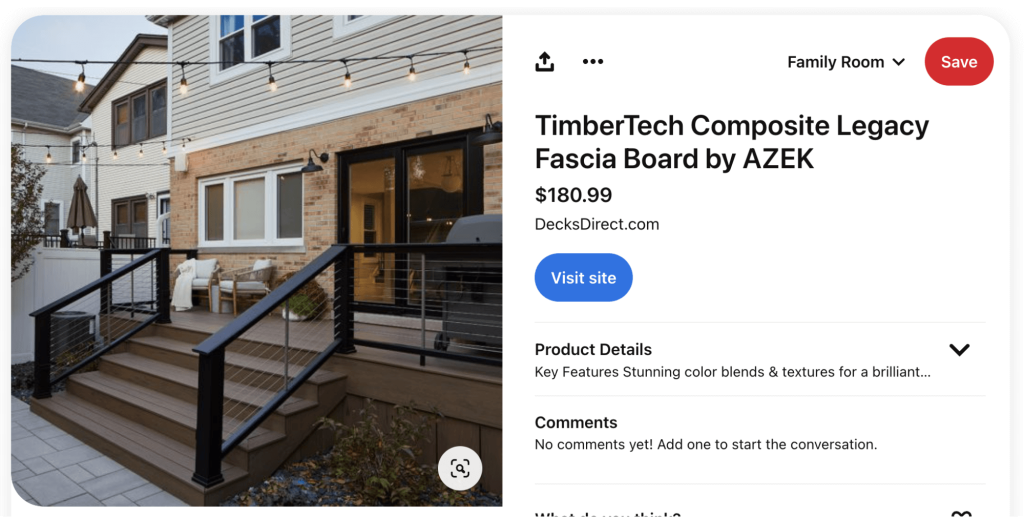
Finally, if your business is in a creative, visual industry, then Pinterest is a platform you can’t afford to ignore. With more than 400 million monthly active users, Pinterest is all about discovery and inspiration.
To succeed on Pinterest, create visually stunning pins that showcase your products or services in action. Use relevant keywords in your pin descriptions to increase your search visibility, and don’t forget to link back to your website or online store. You can also use Pinterest ads to target specific interests or demographics and drive traffic and sales.
No matter which platforms you choose, consistency and engagement are the key to success on social media. Post regularly, interact with your followers, and always provide value. With a little time and effort, social media can be an incredibly powerful tool for growing your small business and achieving your marketing goals.
Developing a Social Media Marketing Strategy
Okay, so you know the benefits of social media marketing, and you’ve identified the platforms that are right for your business. But now what? How do you actually create a social media marketing strategy that drives results?
Developing a social media marketing strategy can seem daunting, but it doesn’t have to be. By following some key steps and best practices, you can create a plan that helps you achieve your business goals and connect with your target audience. Here’s what you need to know.
Defining Your Target Audience
The first step in creating a social media marketing strategy is to define your target audience. Who are you trying to reach with your social media efforts? What are their interests, pain points, and behaviors? By understanding your target audience, you can create content that resonates with them and drives engagement.
To define your target audience, look at your current customer base. Who are your most loyal customers? What do they have in common? You can also use social media analytics tools to gain insights into your followers’ demographics, interests, and behaviors.
Setting Clear Goals and Objectives
Once you know who you’re trying to reach, it’s time to set clear goals and objectives for your social media marketing efforts. What do you want to achieve with social media? Do you want to increase brand awareness, drive website traffic, generate leads, or boost sales?
Your digital marketing goals and objectives should be specific, measurable, achievable, relevant, and time-bound (SMART). For example, instead of setting a vague goal like “increase followers,” set a specific goal like “increase Instagram followers by 20% in the next 3 months.” This helps you track your progress and make data-driven decisions.
Creating Engaging Content
The key to social media success is creating engaging content that resonates with your target audience. This can include various formats, such as images, videos, blog posts, infographics, and more. The key is to provide value and encourage interaction and sharing.
When creating content, keep your target audience and goals in mind. What kind of content will they find valuable and interesting? How can you use your unique brand voice and personality to stand out from the crowd? Don’t be afraid to experiment with different formats and see what works best for your business.
Use Paid Advertising
While organic reach on social media is important, paid advertising can be a powerful way to expand your reach and drive targeted results. Platforms like Facebook, Instagram, and LinkedIn offer various advertising options that allow you to reach specific audiences based on demographics, interests, behaviors, and more.
When using paid advertising, it’s important to have a clear strategy and budget in place. Start by defining your target audience and goals, and then create ad content that aligns with those objectives. Use A/B testing to optimize your ads and find what works best. Always track your results so you can make data-driven decisions.
Measuring and Analyzing Results
Finally, to create an effective social media marketing strategy, you need to consistently measure and analyze your results. This helps you understand what’s working and what’s not so you can optimize your efforts and drive better results over time.
Most social media platforms offer built-in analytics tools that allow you to track key metrics like reach, engagement, clicks, and conversions. Use these insights to refine your strategy and make data-driven decisions. You can also use third-party tools like Google Analytics to track website traffic and conversions from social media.
Remember, social media marketing is an ongoing process. It requires consistent effort, experimentation, and optimization to see real results. But by following these key steps and best practices, you can create a social media marketing strategy that helps you achieve your business goals and connect with your target audience in a meaningful way.
So what are you waiting for? It’s time to get started on your social media marketing strategy and take your small business to the next level.
Not sure you can handle adding social media to your plate? That’s okay! Learn about the benefits of outsourcing social media, then contact My Marketing Assistant for help.
Building Customer Relationships Through Social Media
People spend about 143 minutes a day on social media. But it’s not just about scrolling mindlessly through feeds anymore. As a small business owner, social media can be a powerful tool for building and nurturing customer relationships. Here’s how to capitalize on the benefits of social media for small businesses.
Responding to Customer Inquiries and Feedback
One of the most important aspects of building customer relationships through social media is responding to inquiries and feedback. When a customer reaches out to you on social media, whether with a question about your products or services or a complaint, it’s crucial to respond promptly and professionally.
Try to respond to every comment for as long as it’s manageable. After that, respond strategically to comments every day, maybe even a few times a day.
As your social media presence grows, it may even be worthwhile to hire a person or a team to engage with your social media followers.
Here’s more about creating a social media engagement strategy to help you manage responses.
Encouraging User-Generated Content
Another way to build strong customer relationships on social media is by encouraging user-generated content. When customers post photos or videos featuring your products or services, it’s a powerful form of social proof that can help attract new customers.
Sharing and engaging with user-generated content also shows appreciation for customers and creates a sense of community around your brand.
Offering Exclusive Deals and Promotions
Social media is also a great platform for offering exclusive deals and promotions to your followers. By providing special discounts or early access to new products, you can incentivize customers to engage with your brand on social media and drive sales.
Showcasing Customer Success Stories
Finally, showcasing customer success stories on social media can be a powerful way to build trust and credibility with potential customers. By highlighting how your products or services have positively impacted real customers, you can demonstrate the value of your brand. Featuring customer testimonials and case studies can help potential customers see the tangible benefits of working with your business and build trust in your brand.
Leveraging Social Media for Business Growth
Building strong customer relationships is just one piece of the puzzle when it comes to leveraging social media for business growth. As a small business owner, social media is an invaluable tool for driving website traffic, generating leads and sales, expanding your professional network, and establishing thought leadership in your industry.
Driving Website Traffic
On average, social media accounts for about 20% of website traffic. By sharing blog posts, product pages, and other relevant content on your personal and brand social media accounts, you can reach a wider audience and attract potential customers to your site.
When sharing content on social, be sure to include compelling headlines and eye-catching visuals to grab people’s attention and encourage them to click through to your website.
Once they’re on your site, you can convert them into leads or customers.
Generating Leads and Sales
In addition to driving website traffic, social media can also be a powerful tool for generating leads and sales. By using targeted advertising, running promotions, and making it easy for customers to make purchases directly from social platforms, you can turn social media followers into paying customers.
Expanding Your Professional Network
Social media isn’t just about connecting with customers. It’s also a valuable tool for expanding your professional network. By connecting with other business owners, industry thought leaders, and potential partners on platforms like LinkedIn, you can open new opportunities for collaboration and growth.
Establishing Thought Leadership
Finally, social media provides a platform for small business owners to establish themselves as thought leaders in their industries. You can build trust and credibility with your audience by consistently sharing valuable, informative content related to your areas of expertise.
At the end of the day, leveraging social media for business growth is all about being strategic and consistent in your efforts. By focusing on building relationships, driving traffic and sales, expanding your network, and establishing thought leadership, you can turn your social media presence into a powerful tool for taking your small business to new heights.
Grow Your Small Business with MYMA
Social media is a game-changer for small businesses. Amp up your brand’s presence, chat it up with your customers, and smartly pick where you splash your ads to send your business soaring. Plus, with valuable insights from social media analytics, you can refine your strategy and make data-driven decisions.
Social media is an incredible tool for small businesses to connect, grow, and thrive. If you’re ready to reap the benefits of a strategic social media presence, contact My Marketing Assistant today. We can help you manage your social media so you can focus on its benefits.